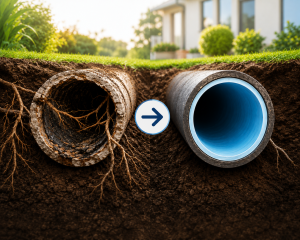
Blocked drains. Tree roots in pipes. That awful gurgling sound. If you own a home on the North Shore, Hornsby or Central Coast, you’ve probably dealt with at least one of these issues… and you’ve probably heard plumbers talking about pipe relining as the modern fix.
But what is relining? And why does it feel like everyone’s suddenly doing it?
Let’s break it down simply, without the jargon.
The Problem: Damaged Pipes Are More Common Than You Think
North Shore, Hornsby and Central Coast homes often have similar issues causing pipe and drain damage:
- Big trees
- Old clay pipes
- Ground movement
- Tight access around houses
- Heavy periods of rainfall and subsequent runoff
All of these create the perfect storm for pipe damage. Tree roots push into tiny cracks.
Clay pipes crumble with age, stromwater lines collapse, and homeowners start noticing:
- Repeated blockages
- Slow drains
- Sewer smells
- Gurgling noises
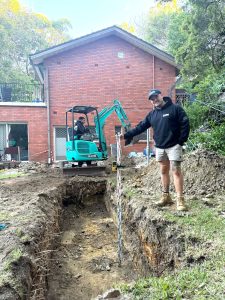
Traditionally, fixing this meant digging trenches, breaking concrete, ripping up gardens, and spending thousands on restoration. But that’s where relining has changed the game.
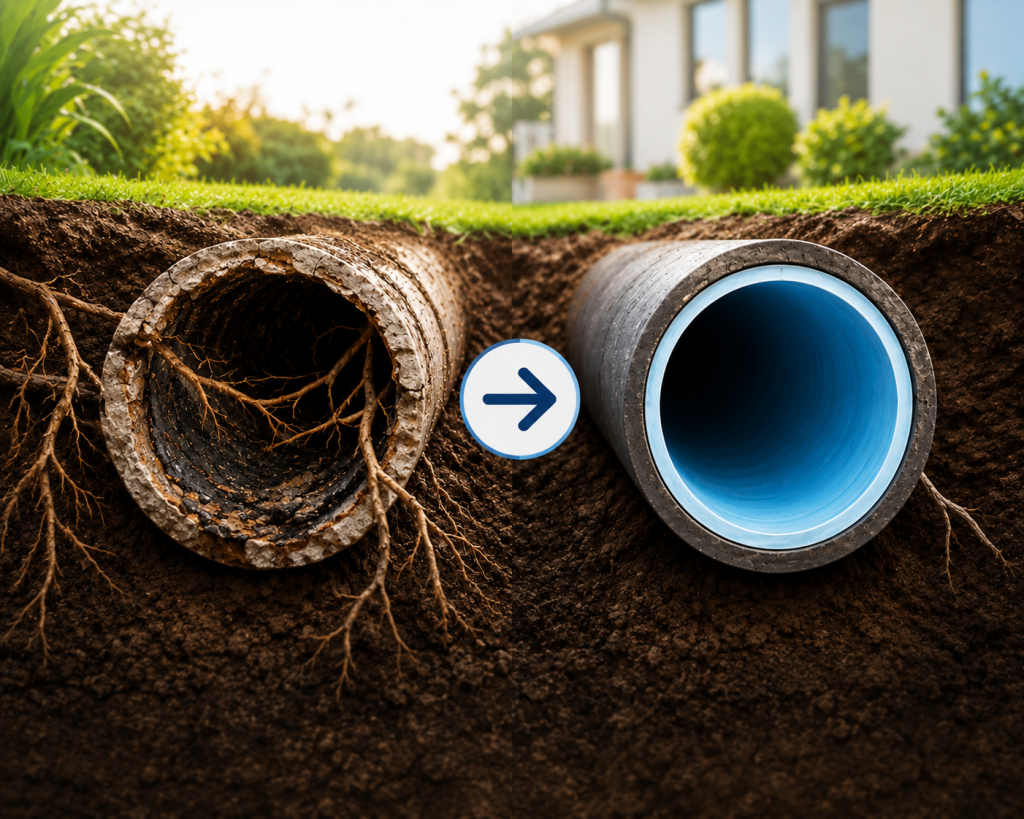
So… What Is Pipe Relining?
Pipe relining is a way of repairing a damaged pipe from the inside, using a small entry point — usually an existing drain opening or inspection opening.
Think of it like this:
Relining puts a brand‑new pipe inside your old one — without digging up your garden.
Here’s how it works:
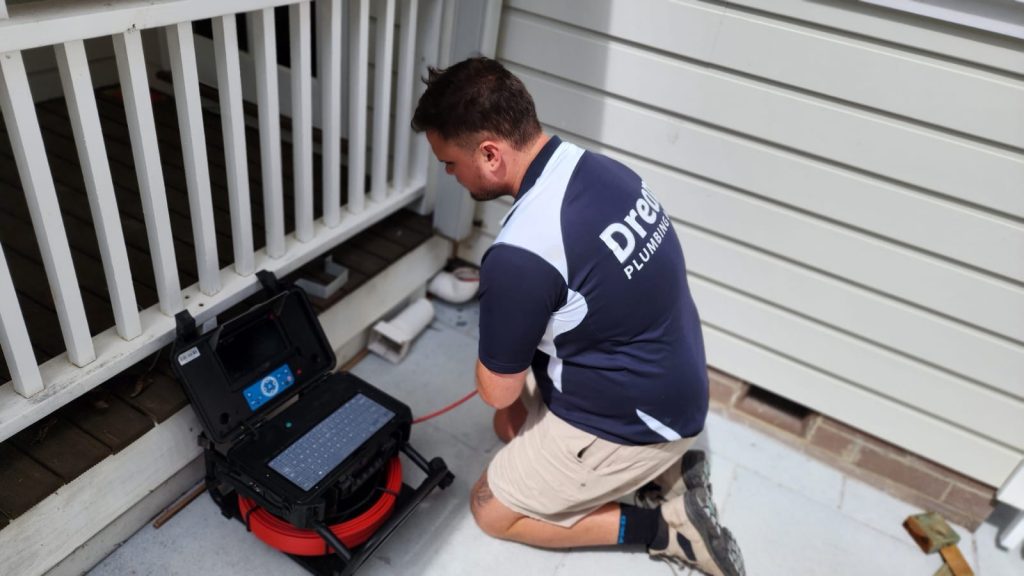
- A plumber sends a CCTV camera down the pipe to find cracks, breaks, or root invasion.
- The pipe is cleaned thoroughly using high‑pressure jetting or mechanical cutters.
- A flexible liner soaked in resin is inserted through the entry point.
- It’s inflated so it presses against the inside of the old pipe.
- The resin cures and hardens into a strong, seamless new pipe.
No trenches. No mess. No destroyed landscaping.
Why Is Everyone Choosing Relining Now?
Because homeowners are sick of excavation — and relining avoids it completely.
1. No Digging
Your garden, driveway, patio, and paths stay untouched. This is the #1 reason people choose relining.
2. Fast
Most relining jobs are completed in a single day. Excavation can take a week — plus restoration.
3. Cheaper Than Digging
Especially when pipes run under:
- Concrete
- Driveways
- Retaining walls
- Established gardens
Relining avoids all those extra costs.
4. Long‑Lasting
A relined pipe has a lifespan of 50+ years. It’s often stronger than the original pipe.
5. Stops Future Root Invasion
The new pipe is seamless — no joints, no gaps, nowhere for roots to enter.
6. Perfect for Sydney Homes
With our clay pipes, big trees, and expensive landscaping, relining is often the smartest option.
When Is Relining the Right Choice?
Relining is ideal when you have:
- Tree roots in pipes
- Cracked or broken sections
- Collapsed stormwater lines
- Repeated blockages even after clearing
- Old clay pipes that keep failing
If your pipe is completely obliterated or crushed flat, excavation may still be needed — but most damaged pipes can be relined.
How Do You Know If Relining Is Suitable?
Simple: You book a CCTV Drain Inspection with Dream Plumbing.
Our cameras show exactly what’s happening inside your pipes, and we can tell you whether relining is the best option.
It’s quick, clean, and gives you a clear plan.
The Bottom Line
Pipe relining isn’t a trend — it’s the modern standard. Homeowners choose it because it’s:
- Cleaner
- Faster
- Cheaper
- Longer‑lasting
- And doesn’t destroy your garden
If you’re dealing with blocked drains, tree roots, or suspected pipe damage, relining might be the smartest fix you’ll ever make.
Ready to Find Out If Relining Is Right for Your Home?
Book a CCTV Drain Inspection with Dream Plumbing. We’ll show you exactly what’s happening inside your pipes and give you honest, practical advice on the best fix — whether that’s relining or something else