
Why Is My Drain Blocked?
When a drain is blocked a few things can be causing it and you’ll know when it happens. Sinks and toilets will drain slowly, you might hear gurgling sounds and most people will wonder the same thing: will my blocked drain just go away or will this cost me a lot of money? The answer always comes back to that inital question:
“WHY is my drain blocked?”
A Drain Can Become Blocked for Several Reasons
A blocked drain can be frustrating, inconvenient, and it usually happens at the worst possible moment. But the good news is that most of the reasons for blockages fall into a few clear categories — and once you know which one you’re dealing with, the solution becomes far easier.
Here, we’ll walk you through all the reasons drains block, how to diagnose the reasons for blockages, and what you can safely do before calling a plumber.
Soft Blockages
These are the most common and the easiest to fix. The usual culprits are:
Bathroom drains
Hair
Soap scum
Shampoo residue
Shaving foam build‑up
These create a sticky mat that clings to the inside of pipes.
Kitchen sinks
Cooking grease
Oil
Food scraps
Coffee grounds
Grease is the worst offender — it cools, hardens, and narrows the pipe until nothing gets through.
Signs it’s a soft blockage?
One drain is slow
No gurgling in other fixtures
No outdoor overflow
Water drains eventually, just slowly
You can attempt to fix these blockages yourself with a plunger or by pouring a small amount of detergent down the drain. Never pour large amounts down. Also never use:
Laundry powder
Fabric softener
Thick gel detergents
Dishwasher tablets dissolved in water
Bleach + detergent mixtures
Any detergent in large quantities
These can create sludge, foam blockages, or chemical reactions.
Hard Blockages
Hard blockages occur when something is seriously stuck. These blockages don’t break down easily:
Common causes
“Flushable” wipes (they’re not)
Cotton buds
Kids’ toys
Sanitary products
Thick paper towels
Foreign objects dropped into the toilet
Signs it’s a hard blockage
Toilet water rises high
Plunger helps only temporarily
Blockage returns quickly
Only one fixture is affected
Ventilation Problems
Every plumbing system needs air to flow properly. If the vent is blocked (by leaves, debris, or a bird nest), you’ll get:
Gurgling sounds
Slow drainage
Water being sucked out of traps
Smells coming from drains
This is one of the most misunderstood causes of blockages — yet many people are unaware of the issue.
Weather
After rain, drains can block because:
Stormwater pushes debris into the system
Outdoor drains get overwhelmed
Tree roots swell with moisture
Ground movement shifts older pipes
Signs it’s weather‑related
Gurgling after rain
Outdoor drains overflowing
Smells coming from floor drains
Multiple fixtures slowing at once
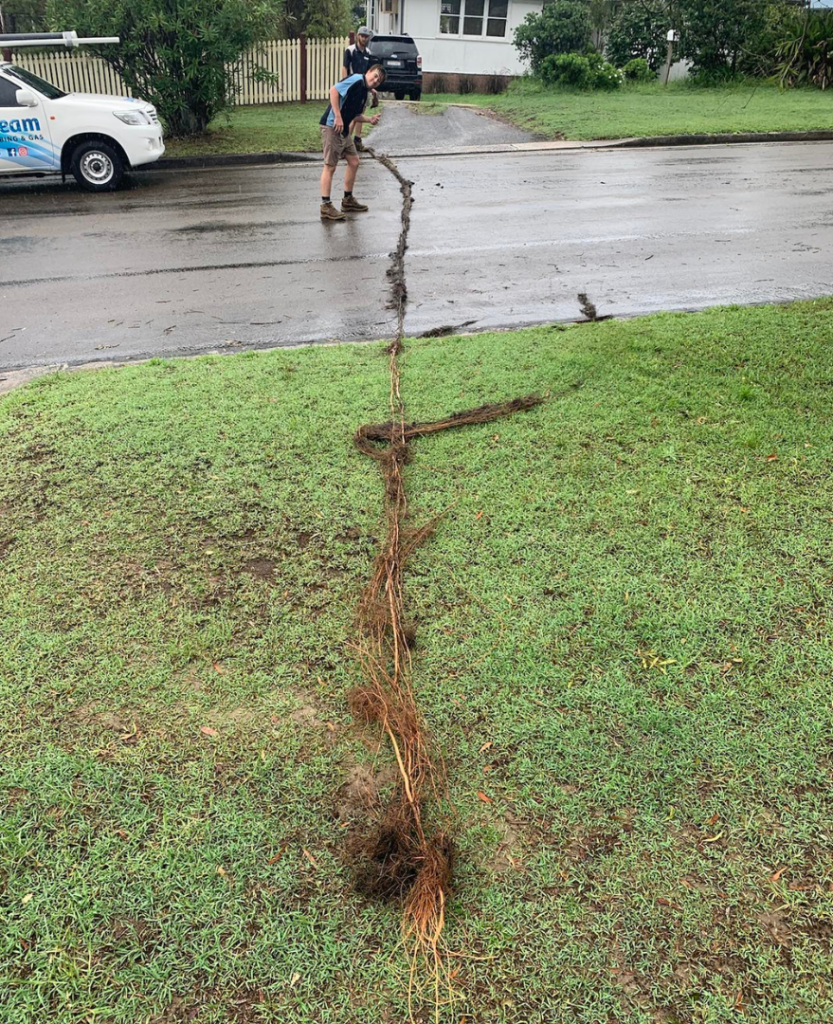
Tree Roots
Roots love moisture and warmth — and pipes provide both.
How roots cause blockages
They enter through tiny cracks
They grow inside the pipe
They trap debris
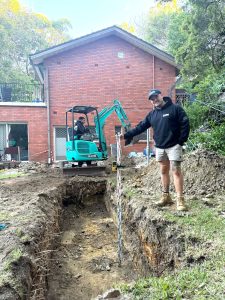
They eventually block the entire line
Signs it’s roots
Blockages that keep coming back
Gurgling in multiple drains
Slow toilets + slow showers
Outdoor overflow points bubbling
What You Can Safely Do Yourself
Remove visible debris
Use a plunger (gently)
Run hot water through kitchen drains
Clean the drain grate
Avoid chemical drain cleaners (they damage pipes)
If the blockage doesn’t clear quickly, stop — forcing it can make things worse.
When it's Time To Call Us
Multiple drains are affected
There’s gurgling in the toilet
Water is backing up outside
You’ve had repeated blockages
You suspect tree roots
You can smell sewage
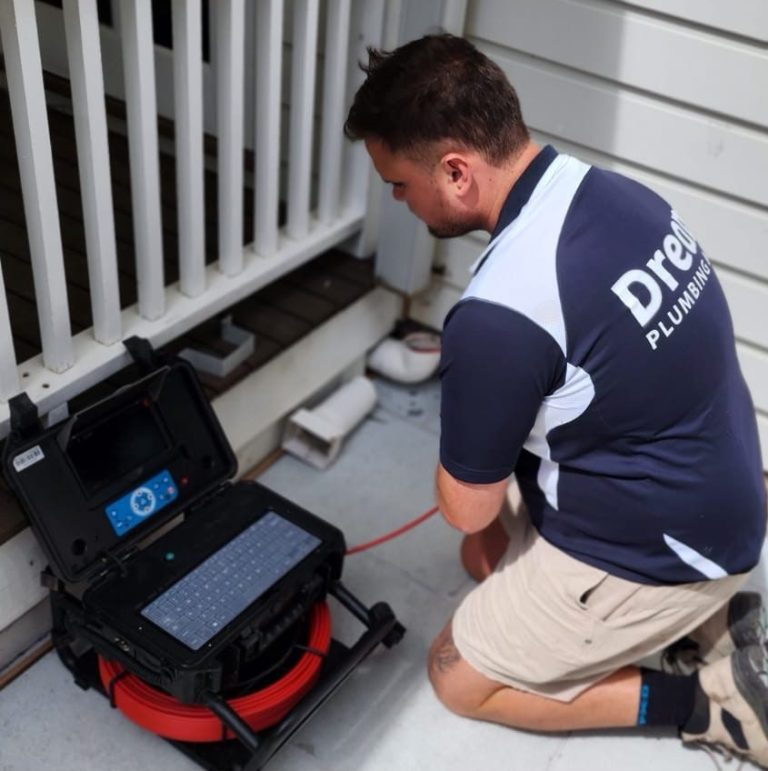
Dream Plumbing can diagnose the exact cause using a camera and clear the blockage properly.
North Shore Suburbs With High Blocked Drain issues Include